
When To Replace Aging Electrical Systems
Aging electrical systems pose fire and safety hazards, and Riley Riley Construction explains the signs that indicate replacement is necessary. We outline capacity shortfalls, outdated components, and code compliance issues that warrant electrical upgrades. Contact Riley Riley Construction at 17209155352 to schedule an inspection and prioritized replacement plan. Proactive replacement reduces risk and prepares your home for modern electrical demands.
Introduction: Why considering replacement matters now
Deciding when to replace aging electrical systems is not only a matter of convenience; it is a critical safety decision that protects your property and family. Older electrical infrastructure can hide wear, corrosion, and components that no longer meet modern load requirements. By recognizing the key signs and acting early, homeowners reduce the chance of fires, persistent outages, and costly emergency repairs.
Riley Riley Construction approaches each home with a safety-first mindset and a practical plan for upgrades. Whether your house still uses a 60-amp service, has original wiring from the mid-20th century, or shows repetitive breaker trips, the decision to replace deserves a careful inspection and an informed replacement strategy. Our goal is to provide clarity on when replacement is necessary and to make the process predictable and cost-effective.
Recognizing the warning signs that replacement is necessary
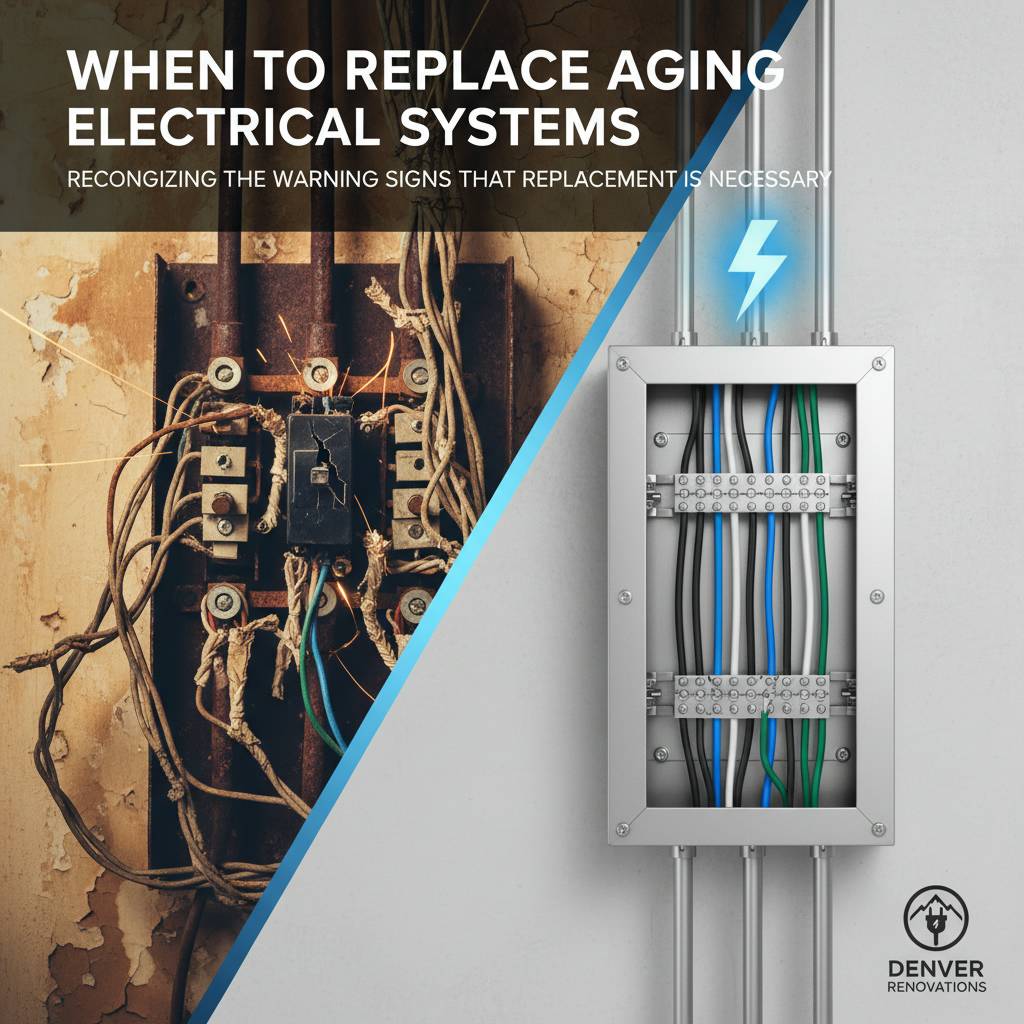 There are concrete, observable symptoms that indicate an electrical system may be too old or compromised. Some signs are subtle-like a persistent buzzing outlet-while others are urgent, such as repeated breaker failures or scorch marks. If multiple signs appear together, they strongly suggest an upgrade is required rather than a simple repair.
Common indicators that you should seek professional assessment include:
- Frequent circuit breaker trips or blown fuses under normal use
- Flickering or dimming lights when appliances run
- Warm, discolored, or sparking outlets and switches
- Old service panels marked approved for use long ago or lacking modern breakers
- Use of extension cords as a permanent wiring solution
Electrical symptoms explained
Breaker trips can mean overloaded circuits, but they can also reveal degraded insulation or poor connections that generate heat and pose fire risk. Flickering lights often point to loose neutral connections or insufficient capacity. If outlets are warm to the touch or show melting around the receptacle, it is a sign of high resistance or loose wiring-both of which deteriorate rapidly and should prompt immediate evaluation.
Capacity shortfalls: Preparing your home for modern demand
Homes built decades ago were not designed for today's base electrical loads. Modern households have multiple high-draw devices: central air conditioning, electric vehicle chargers, large flat-screen TVs, home offices with routers and multiple computers, and kitchen appliances that cycle frequently. A service that was adequate 50 years ago can be overloaded by contemporary usage patterns, creating persistent stress on wiring and equipment.
Signs of inadequate capacity include heavy reliance on space heaters or portable devices, frequent tripping when multiple appliances run, and a home that repeatedly needs additional outlets or subpanels. Upgrading service size-often from 60A or 100A to 200A or greater-allows circuits to operate within safe limits and reduces heat buildup. Riley Riley Construction can assess usage patterns and recommend a service capacity that matches your long-term needs.
Typical service sizes and house types
| Service Size | Typical Home | Why Upgrade |
|---|---|---|
| 60A | Very small or older homes, minimal appliances | Usually insufficient for modern habits; safety risk |
| 100A | Small-to-medium homes with limited modern loads | Marginal for large HVAC, multiple appliances, EV charging |
| 200A | Most contemporary homes | Recommended for reliable operation and future growth |
| 400A | Very large homes, multi-family or heavy appliance use | Needed for commercial-grade loads or multiple high-draw systems |
Outdated components and specific hazards to watch for
Certain wiring types and panel components are known hazards as they age. Knob-and-tube wiring, fuse boxes, and aluminum branch circuits are common culprits in older properties. While some of these systems can function for years, their compatibility with modern devices and their overall safety profile are often inadequate by current standards.
Knob-and-tube wiring lacks a ground conductor and has insulation that deteriorates with exposure. Fuse-based panels lack the convenience and selective protection of modern circuit breakers, and improper fuse replacement can create dangerously oversized protection. Aluminum wiring, used in some homes from the 1960s and 1970s, corrodes differently than copper and can develop high-resistance connections that heat and fail.
- Knob-and-tube: No grounding, vulnerable insulation, limited capacity
- Fused panels: Hard to match proper fuse size, difficult to expand safely
- Aluminum wiring: Prone to oxidation and loose connections; may need remediation
When a component warrants whole-system replacement
Replacing an entire electrical service is advisable when multiple hazardous components coexist, or when the cost of piecemeal fixes approaches the cost of a full upgrade. For example, if a home has knob-and-tube wiring and a 60A fused service with visible corrosion, modernizing both the panel and the branch circuits at once eliminates recurring problems and aligns the system with current safety codes.
Code compliance, inspection, and what an assessment should cover
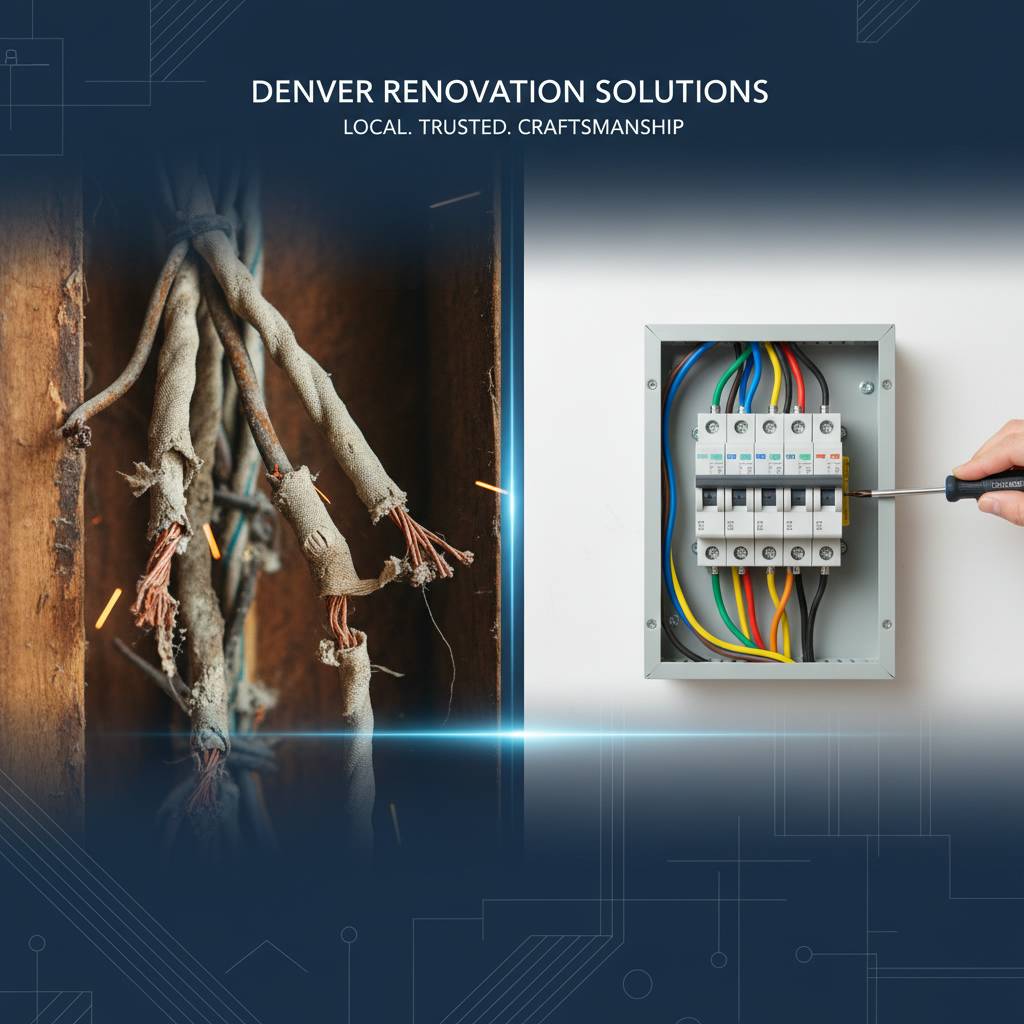 Building codes evolve to reflect better understanding of hazards and better technology. Even if an old installation appears to function, it may not comply with modern electrical code requirements. A professional inspection documents deficiencies and creates a prioritized list of necessary upgrades. Licensed electricians will check for proper grounding, correct breaker sizing, panel condition, and any non-code modifications like DIY wiring or painted-over panels.
An ideal inspection covers both visible and accessible components: service entrance, meter, main bonding and grounding, panel interior, branch circuits, outlets, switches, and equipment connections. Some items may require additional testing including thermal scans or load studies. Typical inspection costs vary by region but commonly fall in the $75-$200 range; a thorough evaluation provides an actionable report and cost estimate for remediation or replacement.
- Visual inspection of panels and wiring condition
- Load calculation to determine required service capacity
- Testing of grounding and bonding integrity
- Identification of unsafe DIY modifications and code violations
Prioritizing replacements and budgeting for upgrades
When replacing aging electrical systems, it is important to prioritize interventions that reduce immediate risk while planning for future needs. Emergency hazards-exposed conductors, burnt connections, and frequent sparks-should be addressed first. Once immediate dangers are controlled, plan upgrades that increase capacity, improve convenience, and comply with current codes, such as adding dedicated circuits, GFCI/AFCI protection, and increasing service amperage.
Budgeting considerations include the scope of the project, access to wiring, whether panels need relocation, permit fees, and potential drywall or trim repair after work is done. Some homeowners choose to phase work: first remedying hazards, then scheduling a full service upgrade at a later date. Riley Riley Construction can propose phased plans with cost estimates so you can balance safety and affordability without sacrificing critical protections.
- Immediate safety fixes (loose connections, burned outlets)
- Panel remediation or replacement for damaged or obsolete panels
- Service capacity upgrades to meet current and future demand
- Additional circuits and safety devices (GFCI, AFCI) for protected operation
What to expect during the replacement process
A full electrical replacement is organized work that involves planning, permits, coordination with utility providers, and careful execution. The timeline depends on the size of the home, the extent of wiring accessibility, and whether the meter or service drop requires utility coordination. Typical projects for a single-family home range from one to several days for a panel swap to a week or more for whole-home rewiring and service upgrades.
During the work, expect temporary power interruptions coordinated with your electrician and the utility. Professional crews will label circuits, protect finished surfaces, and test each system before completion. Final steps include inspection by a local authority and issuance of a certificate of compliance. A clear, written scope of work from Riley Riley Construction ensures you know the schedule, cost, and post-work warranty terms before work begins.
Frequently asked questions and practical examples
Homeowners often ask whether a tripping breaker can be repaired or if replacement is necessary; the answer depends on root cause. A breaker that trips due to overload may be functioning correctly, but if trips happen without increased demand, it could indicate wiring faults or degraded components that mandate replacement. Another common question is whether aluminum wiring requires full repiping; in many cases, corrective connectors, pigtailing with copper, or targeted rewiring reduce risk without complete replacement.
Consider these brief examples: a 1940s bungalow with original knob-and-tube wiring experienced intermittent outlet arcing-replacement of all branch circuits and a 100A to 200A service upgrade resolved repeated problems and enabled modern appliances. In another case, a 1970s home with aluminum branch circuits received targeted remediation using properly rated connectors and AFCI breakers until a staged full rewiring was scheduled. Each situation benefits from an individualized, prioritized plan.
- Q: How long will a new panel last? A: With proper installation and maintenance, modern panels last decades, but periodic checks are recommended.
- Q: Will upgrades increase my property value? A: Yes-updated electrical systems improve safety, marketability, and appraisal value.
- Q: Can I remain in the home during work? A: Often yes, but plans vary with scope; your electrician will advise on safety and timing.
Next steps: scheduling an inspection and moving forward
If you recognize any warning signs or are planning major upgrades such as electric vehicle charging, kitchen remodels, or adding HVAC, schedule an inspection to determine when to replace aging electrical systems. Early assessment avoids compounded problems, helps prioritize critical repairs, and sets realistic timeframes and budgets for upgrades. Riley Riley Construction offers comprehensive inspections and clear, prioritized replacement plans tailored to your home.
Contact Riley Riley Construction today to arrange a visit and receive a no-nonsense evaluation. Call 17209155352 to schedule an inspection, ask about phased upgrade options, or request a written estimate. Proactive replacement reduces fire risk, improves daily reliability, and prepares your home for modern electrical demands-let us help you make a safe, informed decision.
Closing and contact
Upgrading an aging electrical system is an investment in safety and long-term convenience. When you see the signs-persistent trips, warm outlets, outdated components-take action rather than wait for an emergency. Riley Riley Construction combines technical expertise with practical planning to ensure your home is safe, code-compliant, and ready for current and future electrical loads.
Reach out to Riley Riley Construction at 17209155352 to schedule an inspection and receive a prioritized replacement plan that fits your needs and budget. We look forward to helping you protect your home and give you peace of mind.