
Permit And Inspection Requirements For Renovations
Understanding permit and inspection requirements prevents costly rework, and Riley Riley Construction clarifies local code triggers and timing. We guide you through application, inspection schedules, and documentation to keep projects compliant. Call Riley Riley Construction at 17209155352 for a permit readiness assessment that avoids delays and fines. Compliance protects your investment and ensures long-term safety.
Why permits and inspections matter for renovations
Permits and inspection requirements for renovations are not optional paperwork; they are the framework that ensures structural integrity, occupant safety, and legal protection. Skipping permits can lead to forced removal of work, costly rework, fines, or problems when you sell the property. More importantly, inspections confirm that electrical, plumbing, mechanical, and structural systems are installed to current codes that reduce fire, water damage, and safety risks.
When you plan a renovation, an early conversation about permits is a risk-management decision. A well-managed permit process prevents surprises during construction, helps you sequence trades efficiently, and documents compliance for future owners and lenders. Riley Riley Construction can help you identify which parts of your project are likely to trigger permit and inspection requirements for renovations so you can budget both time and cost realistically.
Which projects typically require permits: common triggers and local code nuances
 Most municipalities require permits for work that affects structural elements, fire-rated systems, egress, electrical service, plumbing, and HVAC systems. Even seemingly small changes such as replacing a gas water heater or altering load-bearing walls will usually trigger permit requirements. Local code triggers vary, so it is important to confirm specifics with the local building department before work begins to avoid violations.
Typical permit triggers include the following:
- Structural alterations: removing or modifying load-bearing walls, foundations, or roof structures.
- Plumbing and mechanical: adding or rerouting plumbing, replacing water heaters, or changing HVAC equipment.
- Electrical work: new circuits, service upgrades, or major rewiring.
- Changes in occupancy or use: converting a garage to living space or finishing a basement.
- Fire and life-safety systems: sprinkler modifications, fire-rated wall penetrations, or new fire alarms.
- Significant exterior work: new decks, major siding changes, or window replacements that alter openings.
Keep in mind that minor cosmetic work like painting and flooring rarely requires a permit, but anything that alters the building envelope or systems often does. A quick pre-application check with the local jurisdiction or a permit readiness assessment from Riley Riley Construction can save weeks of rework.
How to apply: documentation, timelines, and tips for a smooth permit submittal
Applying for permits generally involves submitting plans, specifications, and an application form to the local building department. Depending on the scope, municipalities may require drawings stamped by a licensed engineer or architect, energy calculations, and specialized reports (for example, structural calculations or HVAC load analyses). A complete, well-organized submittal reduces review time and the likelihood of multiple resubmittals.
Follow these practical steps for a smoother process:
- Start with a project scope summary that lists affected areas and systems.
- Gather and prepare plans at an appropriate level of detail for the project scope.
- Attach product specifications for appliances, windows, and systems being replaced or installed.
- Include contractor licensing and insurance documentation as required.
- Confirm local application fees, review periods, and any required community approvals.
Typical timelines and fee ranges vary widely by jurisdiction. Small projects may be reviewed within a few days, while larger commercial or complex residential projects can take several weeks or months. To give you a sense of cost expectations, many local permit fees fall in the range shown below, though exact amounts depend on valuation and local schedules.
| Item | Typical Range |
|---|---|
| Residential mechanical/electrical/plumbing permit | $75-$200 |
| Building permit (minor remodel) | $150-$800 |
| Plan review fee (larger projects) | $200-$1,500 |
| Inspection trip fee (if required) | $50-$150 |
If you are unfamiliar with plan preparation, consult a design professional or use Riley Riley Construction for guidance. An accurate initial submission reduces review comments and speeds approval, which keeps projects on schedule and reduces the overall cost of construction.
Inspection schedule: what inspectors check and when to schedule visits
Inspections are milestone checks that verify work has been completed to code at critical stages. Scheduling inspections at the right moment avoids stop-work orders and prevents having to expose finished surfaces for reinspection. Common inspection stages include rough inspections, systems inspections, and final inspections, each with a distinct purpose and checklist.
Common inspection stages
Rough inspections occur before walls and ceilings are closed up; inspectors verify framing, structural connections, rough plumbing, electrical routing, and ductwork. Systems inspections follow installations such as electrical panels, gas connections, or HVAC commissioning. The final inspection confirms that completed work matches the approved plans and that safety systems and egress requirements are satisfied.
To ensure inspections go smoothly, prepare and present the following at each visit:
- Approved plans and permit card on site.
- Any manufacturer instructions for installed equipment.
- Evidence of required tests, such as pressure testing for plumbing or smoke detector functionality.
- Clear access for the inspector to all areas being evaluated.
Scheduling tip: book inspections as soon as the stage is reached, but allow a window for availability-municipal schedules can be booked days or weeks in advance. Neglecting to schedule inspections can stall subsequent work and create costly idle time for subcontractors.
Common pitfalls that lead to rework and how to avoid them
 A major source of costly rework is starting construction before confirming which permit and inspection requirements for renovations apply. Other pitfalls include incomplete plan submissions, using unlicensed trades for regulated work, and failing to coordinate timing between trades so inspections can proceed in the correct order. Each of these issues causes delays and potentially raises the total project cost.
Strategies to avoid rework:
- Perform a pre-construction permit checklist with your contractor and the building department.
- Confirm licensing and insurance for every trade performing regulated work.
- Sequence work so that rough-in inspections are completed before concealment.
- Document all approvals and maintain a single permit file on site.
Case study: a mid-size kitchen remodel progressed while the electrical plan was still under review. The contractor completed drywall and cabinetry before the electrical rough-in was inspected. The building department required drywall removal to inspect the concealed wiring, resulting in thousands of dollars in rework and a six-week schedule delay. This prevents a common mistake: never conceal work until inspectors sign off.
Recordkeeping, final approval, and long-term considerations
Proper recordkeeping protects you long after construction is complete. Permits, inspection records, and approved plans should be stored with the property's permanent records. These documents are essential for resale transactions, insurance claims, and any future remodeling. A complete file also demonstrates to lenders and buyers that renovations were permitted and inspected correctly.
At project closeout, ensure you receive a final approval or certificate of occupancy where applicable. This final documentation confirms that the work meets code and that the property is safe to occupy as intended. If any corrections are required after final inspection, address them promptly and document the remediation and reinspection results.
Long-term maintenance and compliance are also important: changes to occupancy, future additions, or alterations to mechanical systems may trigger new permit and inspection requirements. Keep in touch with Riley Riley Construction or your local building department when planning follow-up work so previous approvals and new work are reconciled properly.
Frequently asked questions about permit and inspection requirements for renovations
Do I always need a permit for a remodel?
Not always. Cosmetic projects such as painting, flooring, or replacing trim typically do not require a permit. However, any work that affects structural elements, mechanical, electrical, or plumbing systems usually does. When in doubt, check with the local building department or consult Riley Riley Construction for clarity on whether your scope of work triggers a permit.
How long does the permit process usually take?
Review times depend on project complexity and local workload. Minor residential permits can be approved in days to a couple of weeks, while larger projects may require several rounds of review and take weeks to months. Submitting complete plans and responding quickly to review comments is the best way to speed up the process.
What happens if I build without a permit?
Consequences include stop-work orders, fines, and potentially being required to remove or redo non-compliant work. Lack of a permit can also complicate future sales or refinancing. In many cases, retrospective permitting and inspections can be pursued, but this often involves extra cost and corrective work to meet current codes.
Next steps and how Riley Riley Construction helps you stay compliant
If you are preparing for a renovation, the most effective first step is a permit readiness assessment. Riley Riley Construction will review your project scope, identify likely permit triggers, recommend the documentation you need, and help coordinate plan submission and inspection scheduling. A proactive approach reduces the chance of surprises and keeps your project moving.
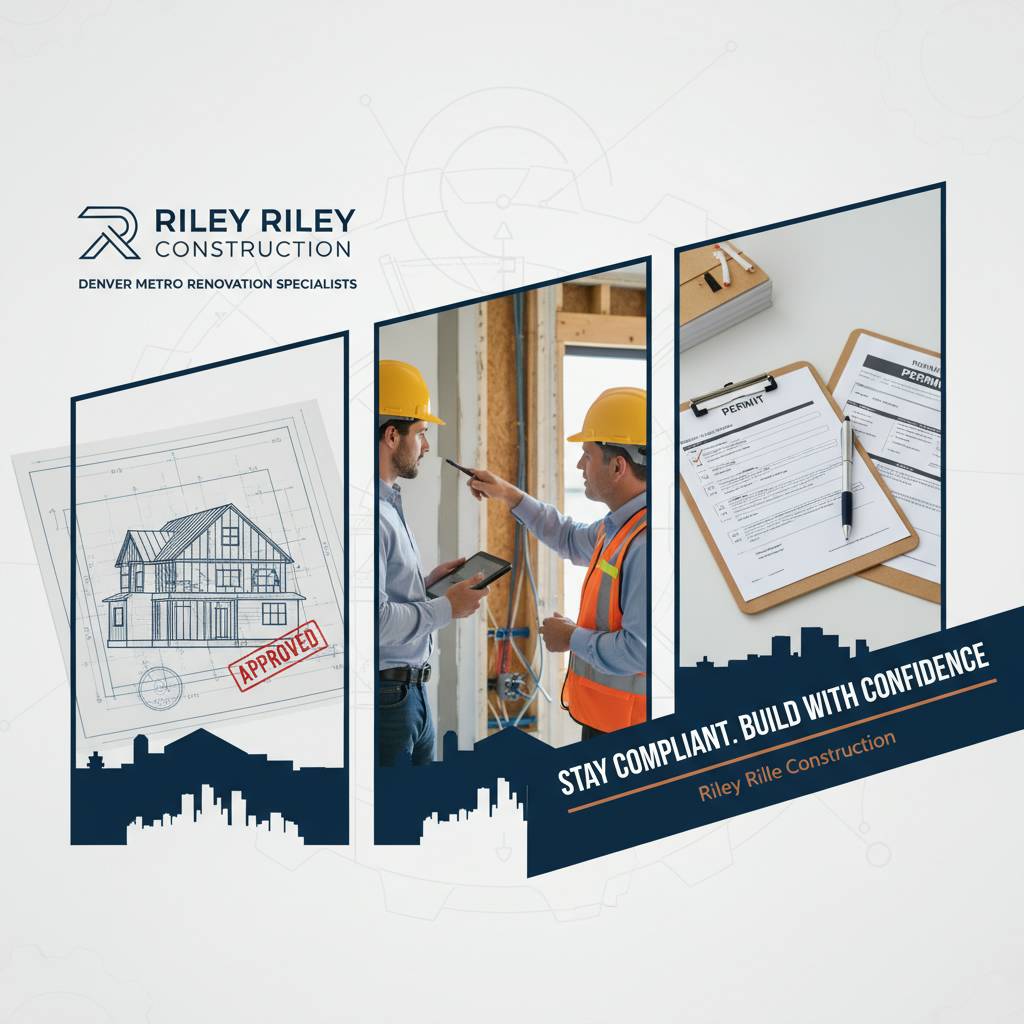
Engaging a consultant early, even during design, allows you to plan for required inspections and avoid sequencing conflicts. Small investments in planning and documentation often return substantial savings by avoiding rework, minimizing downtime, and ensuring a clean project closeout.
Contact and call to action
For a clear pathway through permit and inspection requirements for renovations, contact Riley Riley Construction. We provide targeted assessments, submission support, and inspection coordination so your project complies with local codes and avoids unnecessary delays. Reach out for a tailored consultation to identify the specific triggers and timing that apply to your project.
Call Riley Riley Construction at 17209155352 today for a permit readiness assessment that will protect your schedule and investment.
We look forward to helping you navigate local codes and inspections efficiently. When you need experienced guidance from start to finish, Riley Riley Construction is ready to assist-reach us at 17209155352.