
Budget Renovation Strategies To Save Money
Riley Riley Construction shares budget renovation strategies that reduce costs without sacrificing essential quality or safety
When you're staring at a to-do list of repairs and upgrades, it's easy to feel overwhelmed by expenses. Riley Riley Construction helps homeowners and small business owners prioritize work so core needs get addressed first, while cosmetic improvements can wait or be completed in budget-friendly phases. These are practical, proven budget renovation strategies to save money without sacrificing structural integrity, code compliance, or long-term value.
Across every project we consult on, the goal is simple: protect the most important systems, get the best return for your dollars, and avoid shortcuts that create expensive problems later. Whether you're updating a kitchen, repairing a roof, or modernizing electrical and plumbing, the right plan stretches your renovation budget further and reduces stress along the way.
Prioritizing must-have upgrades: what to fix now and what can wait
Start by distinguishing between must-have upgrades and nice-to-have improvements. Must-haves include anything that affects safety, weatherproofing, or major systems such as the roof, foundation, electrical, heating, ventilation, and plumbing. Tackling these first prevents further damage and often reduces long-term costs-ignoring them can turn a small repair into a full replacement down the road.
Nice-to-have items might be high-end finishes, full kitchen layout changes, or cosmetic remodeling of non-essential spaces. These can be deferred or phased in over time. By taking a staged approach, you spread expenses across months or years while maintaining a safe, functional home. This approach is central to our recommended budget renovation strategies to save money while keeping quality where it matters most.
To decide quickly, use a simple priority checklist: safety and compliance first, weatherproofing second, major systems (HVAC, electrical, plumbing) next, and finally cosmetic upgrades. If a contractor finds hidden damage behind a wall or under flooring, revert to the priority list-address structural and system issues immediately, and reschedule finishes for a later phase.
Cost-effective materials and finishes that look good and last
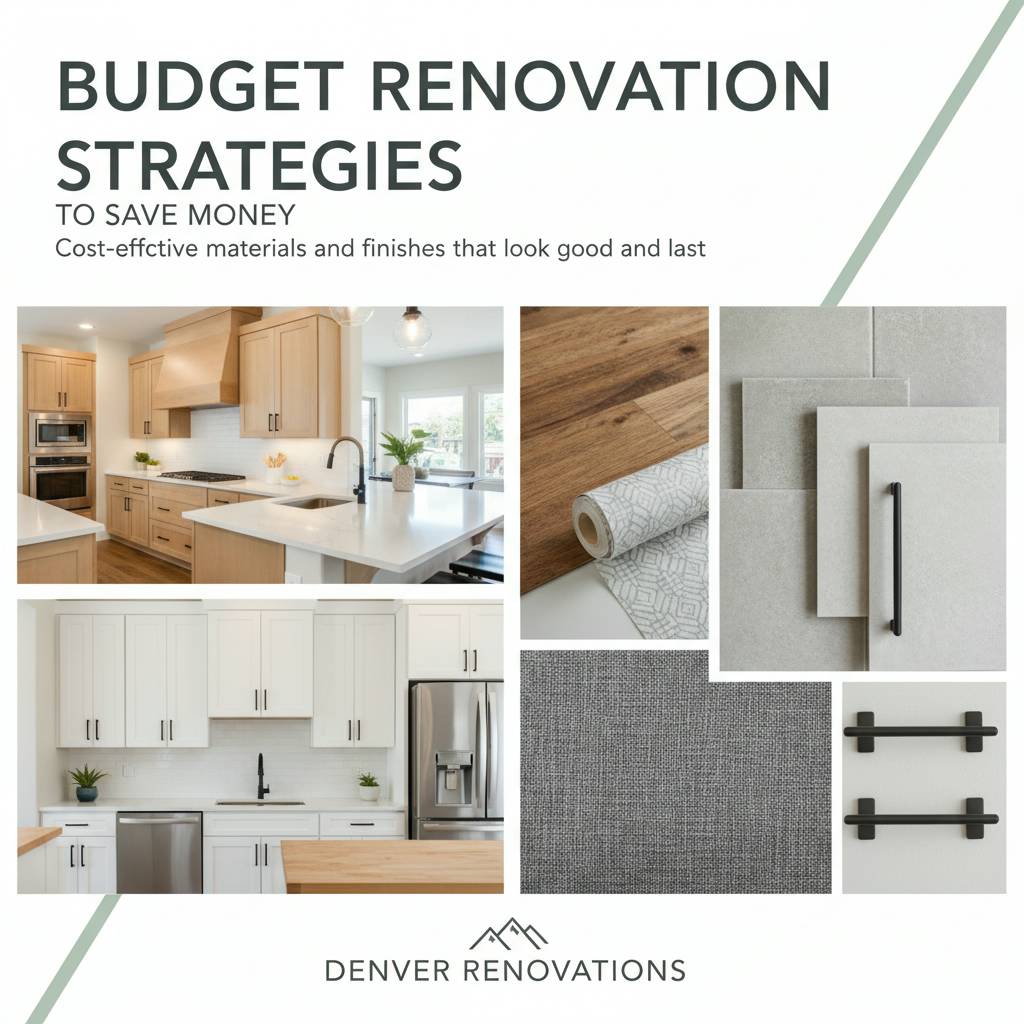 Choosing the right materials is where you balance cost, durability, and appearance. Look for products with proven longevity and good warranties rather than the absolute cheapest option. For example, engineered hardwood or luxury vinyl plank can mimic the look of real wood at a fraction of the cost and with easier maintenance. Ceramic tile offers long life in wet areas with modest price ranges depending on style.
Consider these material pairs when you want the look of luxury without the price tag: quartz-look engineered surfaces instead of natural quartz in low-traffic counters, porcelain tile that resembles stone for floors, and mid-grade cabinets refreshed with paint and new hardware rather than full replacement. Small updates like switching cabinet doors or adding new drawer fronts can achieve a modern look for much less than a full cabinet buyout.
Material selection quick comparison
| Material | Typical Cost Range | Pros | Cons |
|---|---|---|---|
| Luxury vinyl plank | $2-$7 per sq ft | Durable, water-resistant, easy install | Less resale value than hardwood |
| Engineered hardwood | $4-$10 per sq ft | Authentic look, more stable than solid wood | Costs more, can scratch |
| Porcelain tile | $3-$12 per sq ft | Highly durable, versatile styles | Hard underfoot, grout maintenance |
| Prefinished cabinets (refinish hardware) | $75-$200 per cabinet door replacement | Big visual impact for less | Doesn't change layout |
Remember that installation quality matters as much as product choice. A moderately priced material installed well will outlast a premium material fitted poorly. When possible, pick materials that are easy to source locally to reduce lead times and shipping fees-this often saves both money and time on a project.
Phased renovation approaches that spread costs and reduce waste
Phasing a renovation is an effective budget strategy: break the overall scope into logical chunks so you can complete priority work now and handle secondary projects later. For example, phase one could be roof repairs and HVAC servicing; phase two might be kitchen cabinet refresh and new appliances; phase three could be bathroom tile and cosmetic touches. This keeps the house functional and prevents out-of-pocket spikes.
Phasing also creates opportunities to reuse materials or capitalize on contractor availability. If a single contractor returns for multiple phases, you can negotiate better rates or reuse scaffolding and setup fees. Another benefit is learning from earlier phases-sometimes the work reveals ways to save in subsequent phases, whether by swapping a finish choice or consolidating labor for simultaneous smaller tasks.
To organize phases effectively, prepare a master plan that lists each phase, estimated costs, and desired timelines. Maintain a contingency fund-typically 10%-15% of the phase budget-so unexpected issues don't derail the project. With smart phasing, homeowners avoid borrowing more than necessary and gain flexibility to adjust as priorities or finances change.
Practical labor strategies: when to DIY, when to hire pros
Labor often accounts for 30%-50% of renovation costs, so sensible decisions here make a big difference. DIY can save money on simple tasks like painting, demolition of non-structural elements, or installing trim. However, leave electrical, gas, structural, and major plumbing work to licensed professionals. Mistakes in those areas are costly and risky. A good rule: if a mistake could cause water damage, fire hazard, or structural instability, hire a pro.
When hiring, get multiple bids and check references. Look beyond the lowest price-compare scope, warranties, and included services. Some contractors include cleanup, waste disposal, and permits; others may not. Bundling several small jobs with the same contractor can sometimes yield discounts. For repetitive or modular tasks, consider hiring a skilled worker for a day rate to train you on the correct method, then finish the repetitive portions yourself.
Keep records of warranties, permits, and invoices. These documents protect you and can increase the resale value later. For example, documented HVAC replacement by a licensed contractor with warranty information is more valuable to buyers than an undocumented swap done informally.
Energy efficiency and long-term savings: invest where it pays off
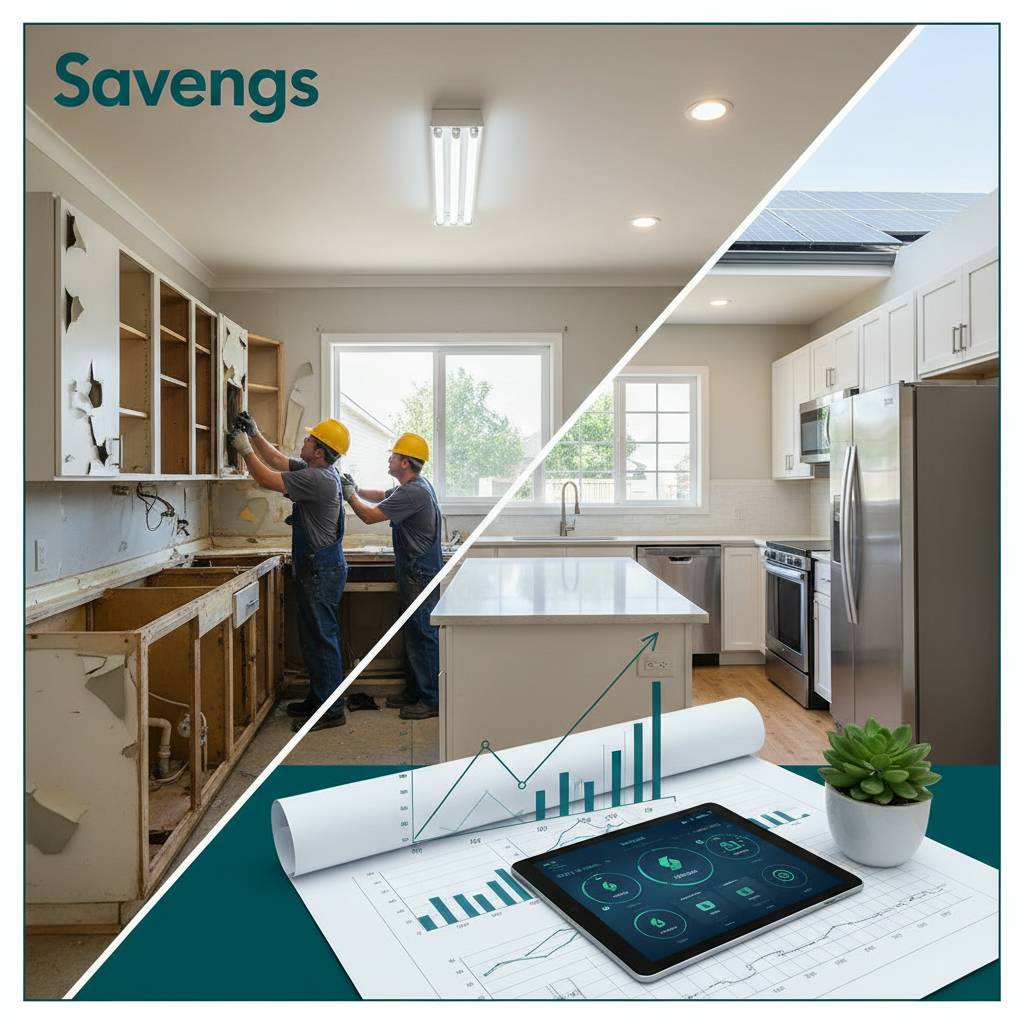 Some investments upfront reduce operating costs and pay back over time. Upgrading to a high-efficiency HVAC unit, adding insulation, or replacing old windows can lower energy bills and make the home more comfortable. Focus on measures with clear payback periods and reliable savings. In many climates, adding insulation to attics or sealing air leaks delivers excellent returns.
Look for rebates and incentives from local utilities or government programs. These can offset high initial costs for items like heat pumps, high-efficiency water heaters, or energy-efficient windows. and our team often help clients identify programs that reduce their net outlay, improving the economics of smarter upgrades.
Smart procurement and timing: how to buy right and save more
Timing and procurement strategy are simple but powerful ways to save. Buy materials during off-season sales, consider last-season colors and finishes, and shop warehouse or overstock outlets for discounts. Buying a full lot of flooring or tiles up front often nets a lower per-unit cost and prevents mismatched batches later. Also, bulk purchases for paint, trim, and fasteners can shave a noticeable percentage off overall costs.
Avoid costly rush orders by planning lead times into your project schedule. Allowing extra time for deliveries and contractor scheduling reduces the temptation to pay expedited shipping or premium weekend labor rates. When materials arrive early, store them safely and keep them dry to prevent damage-damaged products cost money to replace and delay work.
- Compare online and local suppliers-sometimes the difference is pickup versus delivery fees.
- Ask suppliers about scratch-and-dent or discontinued lines for steep discounts.
- Consolidate purchases with one supplier to negotiate better shipping or handling terms.
Real-life examples and quick wins you can apply now
Small changes often produce a big visual impact for little cost. Examples we recommend: replace dated cabinet hardware and faucets, update lighting fixtures to energy-efficient LED options, and repaint high-traffic areas in neutral palettes that refresh the space quickly. These quick wins frequently raise the perceived value of a room without major expense.
Here are two short case studies that illustrate our approach. In one kitchen project, the client preserved the existing cabinet boxes, replaced only the doors and hardware, added new countertops in a cost-effective engineered surface, and upgraded the sink and faucet. The result was a dramatic aesthetic upgrade at roughly one-third the price of a full cabinet replacement.
In another example, a homeowner facing frequent winter drafts invested in attic insulation and sealed door and window leaks. The upfront cost was modest and energy bills dropped noticeably the following winter, proving the value of targeted, functional improvements over purely cosmetic spending.
Common questions and straightforward answers
How large should my contingency fund be?
Plan a contingency of 10%-15% for predictable small surprises; if you are renovating older homes or dealing with potential structural issues, increase that to 20% or more. Contingency prevents incomplete projects and the need for emergency borrowing, which is often more expensive than planned savings.
Is it better to do everything at once or phase the project?
Phasing reduces immediate financial strain and lets you learn from each phase. However, if major systems need simultaneous attention-like full kitchen gut and electrical rewiring-doing those related tasks together can be more cost-effective than splitting them. Evaluate dependencies and try to group tasks that share labor or access needs.
Final thoughts and how Riley Riley Construction can help
Renovating on a budget doesn't mean settling for inferior results. With clear priorities, the right material choices, careful phasing, and smart procurement, you can achieve durable, attractive outcomes while controlling costs. Our focus at Riley Riley Construction is to help you preserve essential quality and safety, deliver practical aesthetics, and build a plan that fits your finances.
Ready to develop a budget-conscious renovation plan that achieves core goals first? Call Riley Riley Construction at 17209155352 to schedule a consultation. We'll walk you through priority assessments, cost-saving material choices, and sensible phasing so your renovation dollars go further.
Start with a short call and a quick site review-then let us help you turn practical choices into long-lasting value. Contact Riley Riley Construction today at 17209155352 and let's create a plan that protects what matters and stretches your budget wisely.